If your download link is not working, create a support ticket. We will send you a new working download link when we are back.


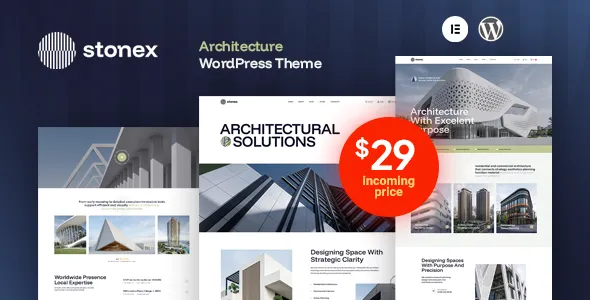
Stonex – Architecture WordPress Theme is a professional website solution designed for architecture firms, architectural designers, interior design studios, construction consultants, and creative professionals who want to showcase their expertise through a modern digital presence. With an emphasis on architectural presentation, project storytelling, and professional branding, Stonex provides a relevant foundation for building a website that communicates design capabilities, highlights completed work, and introduces services to prospective clients.
In the architecture industry, a website is more than a digital business card. It is a visual portfolio, a professional introduction, and an important communication channel between a design practice and the people seeking its services. Property developers, homeowners, commercial clients, and construction partners often review a firm’s online presence before arranging a consultation. A well-structured website can help them understand the firm’s design philosophy, explore its projects, and determine whether its expertise matches their requirements.
Stonex – Architecture WordPress Theme is intended for architecture-focused website projects where presentation, organization, and professional credibility matter. Whether you are launching an independent architecture practice, refreshing an established studio’s website, showcasing residential and commercial projects, or developing a digital portfolio for an architectural consultancy, Stonex can serve as a starting point for creating a distinctive WordPress website.
Architecture combines creative vision, technical knowledge, spatial planning, and practical problem-solving. A firm’s website should reflect this balance by presenting its work clearly while explaining the services and thinking behind each project.
Stonex is suitable for architecture businesses that want to introduce their identity, communicate their approach, and organize their portfolio into an accessible online experience. A thoughtfully planned website can guide visitors from the studio’s introduction to its project collection, service descriptions, team information, and contact details.
Instead of relying only on a short company overview, an architecture website can tell a broader story. It can explain the firm’s design principles, the types of buildings it works on, the clients it serves, and the considerations that shape its projects.
A clear website structure also helps visitors understand the difference between architectural design, interior planning, renovation, project consultation, and other related services. When information is presented in a logical order, potential clients can identify relevant expertise and take the next step toward discussing a project.
Stonex – Architecture WordPress Theme is relevant to a variety of businesses and professionals working in architecture, built environments, and design-related services.
Potential applications include:
These applications make Stonex a useful theme to consider when developing a dedicated online identity for a business operating in the architecture and design sector.
A strong portfolio is one of the most important elements of an architecture website. Potential clients want to see how a firm approaches different building types, design challenges, materials, and spatial requirements.
With Stonex, you can plan a portfolio-centered website that gives completed and conceptual projects a clear place within the overall presentation. Projects can be organized by category, location, building type, service, or project status, depending on the firm’s portfolio strategy.
Each project can be presented with a selection of photographs, renderings, plans, and explanatory text. Rather than showing images without context, a useful project description can explain the original brief, design objectives, site considerations, materials, and key architectural decisions.
For example, a residential project may emphasize natural light, circulation, privacy, and the relationship between indoor and outdoor spaces. A commercial project may focus on functionality, visitor experience, efficient use of space, and the client’s operational requirements.
A carefully organized portfolio helps visitors explore the firm’s range of capabilities. It can also demonstrate how the studio approaches different project types without making the website feel crowded or difficult to navigate.
Architecture firms frequently work across multiple project categories. A website can help prospective clients identify the firm’s relevant experience by separating residential, commercial, institutional, and specialized projects into clearly defined sections.
Stonex can provide a starting point for presenting these categories in an organized portfolio structure.
Residential architecture pages may feature houses, villas, apartment buildings, extensions, and custom home concepts. Project descriptions can discuss the client’s goals, the site’s characteristics, the use of natural light, circulation, and the relationship between private and shared spaces.
Commercial architecture pages may showcase offices, retail buildings, hospitality projects, showrooms, and other business environments. The accompanying content can explain how the design responds to operational requirements, brand identity, visitor movement, and the surrounding urban context.
For institutional or public projects, a firm may highlight educational facilities, community buildings, cultural spaces, or other developments where accessibility, functionality, and long-term usability are important.
Separating projects by type helps visitors move directly toward examples relevant to their own requirements. It also gives the firm an opportunity to explain its experience in a way that is more meaningful than a single, undifferentiated gallery.
Every architecture studio has a distinct approach to design. Some emphasize minimalism and simplicity, while others focus on sustainable materials, contextual architecture, traditional craftsmanship, or innovative spatial arrangements.
Stonex can support a website structure that communicates this design philosophy alongside the portfolio. A dedicated studio or approach page can explain the principles that guide the firm’s work and how those principles influence the design process.
The content might describe how the studio considers the site, climate, natural light, circulation, materials, client priorities, and long-term use of a building. It can also explain how the firm balances aesthetic objectives with practical constraints such as budgets, regulations, and construction requirements.
A clear design philosophy helps potential clients understand what distinguishes the studio from other architecture practices. It gives project images a deeper context and shows that the firm’s work is guided by a consistent approach.
The most effective presentation uses authentic descriptions of the firm’s actual methods rather than generic claims about innovation or excellence. This creates a more credible and informative introduction for prospective clients.
A professional architecture website should clearly explain what the firm does and how clients can engage its services. Even an impressive portfolio may leave visitors uncertain if the available services are not described in sufficient detail.
Stonex can be used to organize service information into dedicated sections or pages. Depending on the firm’s actual capabilities, these may include architectural concept development, residential design, commercial planning, interior design, renovation consultation, space planning, design development, or project coordination.
Each service page should explain the scope of work, the type of client it serves, and the circumstances in which the service may be useful. It can also describe the general process, from initial consultation and project requirements through design development and coordination with relevant professionals.
For example, a residential design page could explain how a project begins with understanding the client’s lifestyle, property, and objectives. A commercial design page might discuss operational needs, visitor experience, branding considerations, and the effective use of space.
Architecture firms should accurately describe the services they are qualified and equipped to provide. Any specialist engineering, surveying, planning, or construction services should be identified clearly, particularly when they are delivered through external partners.
A firm’s visual identity influences how clients perceive its work before they have an opportunity to meet the team. A consistent presentation can help communicate the studio’s personality, design priorities, and professional standards.
Stonex – Architecture WordPress Theme can serve as a foundation for building a recognizable architecture brand through a coordinated website presentation.
Branding elements may include the firm’s logo, typography, color palette, project photography, graphic treatments, and written tone. An established studio may prefer a restrained visual identity that places emphasis on architectural images, while a more experimental practice may use stronger graphic elements to express its creative direction.
Consistency matters across the homepage, project portfolio, service pages, studio introduction, and contact information. Repeating a coherent visual language helps visitors recognize the firm and understand its professional positioning.
A strong brand presentation should remain practical as well as attractive. Navigation labels should be clear, project information should be easy to find, and contact details should be accessible without requiring visitors to search through multiple pages.
Architecture projects involve collaboration between clients, architects, designers, engineers, consultants, and construction professionals. Introducing the people behind the studio can make a website more informative and give visitors a better understanding of the firm’s experience.
Stonex can be used to plan a team section featuring architects, interior designers, project leaders, and other relevant professionals. Individual profiles may include names, professional roles, areas of expertise, qualifications where appropriate, and brief descriptions of each person’s experience.
For a small studio, a concise team introduction can explain the firm’s background and the skills it brings to each project. Larger practices may organize profiles by department, specialization, or leadership role.
Professional biographies should focus on accurate information and relevant experience. Where applicable, the firm can also introduce its collaborative process and explain how different disciplines contribute to the development of a project.
For prospective clients, this information can help establish a clearer picture of the team they may work with. It also gives the architecture firm an opportunity to communicate its professional culture and approach to collaboration.
Architecture projects are easier to appreciate when visitors understand the design challenge behind the final result. A portfolio becomes more useful when it explains not only what a building looks like, but also how the design responds to its context and intended purpose.
Stonex can provide a starting point for project pages that combine visual material with a structured narrative.
A project case study may include the project overview, location, building type, design objectives, constraints, materials, and the main ideas that shaped the final proposal. Where suitable and authorized, the page may also include drawings, plans, sketches, renderings, or photographs documenting different stages of the project.
A renovation case study might explain how an existing building was adapted to new requirements. A residential project might discuss the use of daylight, the relationship between interior and exterior spaces, or the way the layout accommodates a family’s needs.
These details help visitors understand the firm’s problem-solving abilities and provide context for the images. They can also give prospective clients a clearer idea of how the studio approaches projects with similar requirements.
Project pages should distinguish completed buildings from concepts, proposals, and visualizations. Accurate project descriptions preserve credibility and help avoid confusion about the firm’s actual work.
Architecture is a visually driven discipline, making image selection an important part of website planning. High-quality photographs and renderings can communicate proportion, materials, lighting, texture, and spatial relationships more effectively than lengthy descriptions alone.
A Stonex-powered website can use visual content to introduce the firm’s portfolio, illustrate services, and support individual project stories.
For completed projects, choose images that show the building’s overall form as well as meaningful details. Exterior views can explain how the structure relates to its surroundings, while interior photographs can reveal material choices, lighting, circulation, and the experience of the space.
For conceptual projects, architectural renderings and drawings can help visitors understand the proposed design. Such content should be labeled appropriately so that viewers can distinguish a visualization from a completed construction project.
Images should be optimized for web delivery, with suitable dimensions and compression to support loading performance. Descriptive alternative text should be included where appropriate to improve accessibility.
Only use photographs, renderings, and drawings that the firm owns or is authorized to publish. Crediting photographers and collaborators when required also helps maintain professional relationships and proper usage practices.
An architecture website should not only display past work; it should also help interested visitors begin a conversation about their own projects.
Stonex can serve as a foundation for a website that guides visitors from portfolio exploration toward a consultation or project inquiry. Contact options can be placed where they are useful, such as service pages, project case studies, and the studio introduction.
A project inquiry form may ask for a visitor’s name, email address, project type, approximate location, expected timeline, and a short description of their requirements. Additional fields can be included when they genuinely help the firm assess a request.
The form should remain easy to understand and should not request unnecessary personal information. Visitors should know how the firm will use their details and what to expect after submitting an inquiry.
A clear contact page can also include business email, telephone information, office location where appropriate, and links to professional social profiles. If the studio works remotely or serves multiple regions, explain the areas in which it accepts projects.
The purpose of these elements is to make the next step straightforward. Potential clients should be able to understand how to contact the firm without being distracted by unnecessary steps or unclear instructions.
A blog or journal can help an architecture firm share knowledge, explain its design approach, and provide useful information to people planning building or renovation projects.
WordPress publishing capabilities can be used to create articles about architectural concepts, interior planning, materials, design trends, project considerations, and the relationship between buildings and their surroundings.
Useful topics may include planning a residential architecture project, preparing for an initial consultation, understanding the stages of design development, selecting materials, improving the functionality of a space, or evaluating the needs of a renovation.
The studio can also publish project announcements, professional updates, interviews, event participation, and commentary on relevant design developments. Such content gives visitors a broader understanding of the firm’s interests and professional perspective.
Articles should be written for a real audience rather than created solely to repeat search phrases. Clear explanations, useful examples, and accurate information help establish the website as a valuable resource.
Internal links can connect articles to relevant services and portfolio projects, allowing readers to move naturally from general design information to the firm’s actual work.
Search engine optimization helps prospective clients discover architecture firms through searches related to design services, project types, and geographic areas. A well-organized website can make it easier for search engines to understand its content and for visitors to find relevant pages.
Stonex can provide the foundation for an SEO-conscious website when combined with useful content and appropriate WordPress configuration.
A practical architecture website SEO strategy can include:
A compatible SEO plugin can help manage metadata and related settings. However, search rankings depend on many factors, including content quality, competition, site authority, user needs, and technical performance. Choosing a theme does not guarantee a specific ranking or volume of inquiries.
Clients may explore an architecture firm’s portfolio using desktop computers, tablets, or smartphones. A website should present project information clearly across these devices, particularly because architectural images and detailed case studies can require careful layout decisions.
When developing a Stonex-powered website, test the homepage, project galleries, service pages, team profiles, and contact forms at different screen sizes.
Readable typography, understandable navigation, suitable image scaling, and consistent spacing help visitors focus on the work. Important project information should remain accessible without requiring excessive scrolling through oversized images or difficult-to-use menus.
Contact forms should also be practical on mobile devices, with clear labels and appropriately sized controls. Image galleries should be tested to ensure that project photographs remain useful without making pages unnecessarily slow.
The actual responsive experience depends on the theme version, configuration, installed plugins, content, and custom development. Testing the completed website is essential to identify and correct layout issues before launch.
WordPress offers a content management environment for creating pages, publishing articles, organizing media, and maintaining website information. This is useful for architecture studios that regularly add new projects, update service descriptions, or publish design insights.
Stonex is intended for WordPress architecture website projects, making WordPress’s publishing workflow relevant to ongoing portfolio management.
A firm can organize its website into consistent sections for projects, services, the studio, team members, news, and contact information. Establishing a clear structure from the beginning makes it easier to expand the portfolio as new work is completed.
The exact editing tools, page builder compatibility, demo import process, and included plugins should be confirmed from the theme’s official documentation. If the website requires advanced portfolio filtering, multilingual content, appointment scheduling, or other specialized functions, compatible plugins or custom development may be needed.
Before launching the site, check the theme’s requirements, licensing terms, available documentation, and compatibility with the WordPress environment and plugins you intend to use. This helps ensure the selected theme fits the project’s practical requirements.
An architecture website may contain large photographs, detailed project galleries, and extensive case studies. These elements should be managed carefully to provide a dependable browsing experience.
When implementing Stonex, select suitable hosting and optimize images before uploading them. Use appropriate image dimensions, avoid unnecessary plugins, and consider compatible caching tools where useful. These practices can help reduce page weight and support more efficient loading.
Regular maintenance should include updates to WordPress, the theme, and installed plugins. Backups should be created consistently, and the restoration process should be tested so that website content can be recovered if necessary.
Security measures should include strong administrator passwords, suitable user permissions, trusted software sources, and secure hosting configuration. If the website uses inquiry forms, ensure that submitted information is handled responsibly and that suitable privacy information is available.
Architecture studios should also review their portfolio periodically. Outdated contact details, broken links, inaccurate service descriptions, and old project information can undermine an otherwise professional presentation.
Performance and security depend on the complete website environment, including hosting, configuration, plugins, content, and ongoing maintenance, rather than on the theme alone.
Stonex is worth considering for businesses and professionals who want a website focused on architecture, design services, and project presentation. Its niche positioning makes it relevant to studios that need to introduce their practice, organize a visual portfolio, explain their services, and encourage prospective clients to get in touch.
It may suit established architecture firms modernizing an existing website, independent architects building a professional portfolio, interior designers presenting completed spaces, and agencies developing architecture websites for clients.
A successful implementation combines the theme with a thoughtful content strategy, authentic project imagery, clearly described services, a consistent brand identity, and an accessible contact process.
Before choosing Stonex for a live project, review its actual layouts, editing workflow, responsive behavior, documentation, and compatibility with any required plugins. Confirm that the theme supports the intended website structure and that any advanced functionality can be provided through compatible tools where necessary.
Stonex – Architecture WordPress Theme provides an architecture-focused starting point for building a professional WordPress website for architecture firms, independent architects, interior design studios, and related creative practices.
By combining an organized project portfolio with clear service descriptions, studio information, team profiles, design articles, and accessible contact options, a business can present its expertise in a way that helps potential clients understand its work and approach.
A successful architecture website relies on more than visual presentation. Accurate project information, thoughtful content organization, mobile usability, image optimization, and consistent maintenance all contribute to a useful digital experience.
For architecture professionals seeking to strengthen their online presence, Stonex is an option to evaluate when developing a website that brings together architectural storytelling, professional branding, and project-focused communication.v
All digital products are the most recent version at the time of purchase, with no possibility of free updates beyond the initial purchase.
After payment, we will upload the product file within 24 to 48 hours and most of time under 12 hour.
From multipurpose themes to niche templates